Listening to Perspectives
by Zahra Choudhury
Embarking on this journey about food perspectives, I wasn’t very sure where it would lead. As my writing began to form a narrative about food and immigration, a common thread that emerged was minorities and social justice, and the limitations in the way we talk about the marriage of both of these to food cultures. Perhaps it is these limitations that truly shaped my perspective on retelling justice through food. If food, a basic necessity of the human experience, can humanize individuals, food can be a tool for justice, fostering empathy because we are what we eat.
Thinking of conducting an interview was difficult. Who would I interview? What would I ask? How would I approach a cook/restaurant owner? An idea struck me at my internship at Hour Children, a Long Island City based nonprofit that is dedicated to empowering incarcerated mothers. The prison system, the largest ecosystem that disproportionately incarcerates people of color, was perhaps the greatest way to marry food, immigration and social justice, and represent a historically underrepresented population. Hence a thought became an idea and I ended up interviewing one of the women at the Working Women Program office I interned in, to gain a perspective on her personal food history and a look inside foodways inside the prison system.
“Food, racism, power, and justice are linked. What I’m trying to do is dismantle culinary nutritional imperialism and gastronomic white supremacy with one cup of zobo made from hibiscus, one bowl of millet salad with groundnuts and dark green vegetables, and one piece of injera at a time.”
Michael Twitty, The Cooking Gene
Armed with interview skills from a psychology major and a Human Research Participant Protection certification, I interviewed Nadine Price, a participant of the Hour Working Women Program, which provides professional and vocational skills to women after incarceration. Interacting with a community voice unearthed a wealth of information about the multicultural nature of personal cuisine in Queens and the nuances of food in the prison system.
“All food is healthy. We need it to live.”
Nadine
Nadine has spent most of her life in New York City. During some of her childhood she was raised in Georgia, and she went to school in Syracuse. Her family is of Grenadian descent, to which she credits most of the influences on her cooking. Her interests are in cosmetology and she aims to be a beauty technician and makeup artist. Nadine agreed to this interview because she enjoys cooking for herself and her children, she can cook dishes from all over the world, and she had experience with food while being incarcerated, and I believed her perspective was a valuable addition to the narratives of food, multiculturalism and social justice.

“My family is from Grenada…….island food.”
Nadine
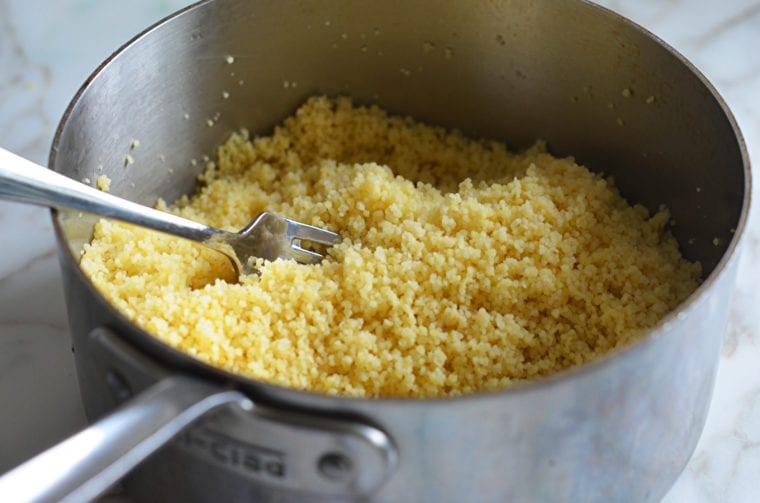
Nadine credits her mother, father and grandmother as the greatest culinary influences in her life. Her favorite food? Seafood, with a penchant for shellfish and fish, island style. When I asked whether her childhood in Georgia has affected her cooking, she laughed and said she doesn’t cook very often in a classic southern style but picked up some tips and tricks on method, such as collard greens and frying chicken. However, her favorite way to cook is stewing lamb or seafood with cabbage and plantain served with rice or couscous and tomatoes, keeping in mind West Indian flavors such as cumin. She believes stewing to be the healthiest option over frying, though she adds proudly, she is capable of a Chinese-style stir fry. For her children, she attempts to keep them eating fresh and healthy, however she concedes that sometimes, she just has to give in to what they like.
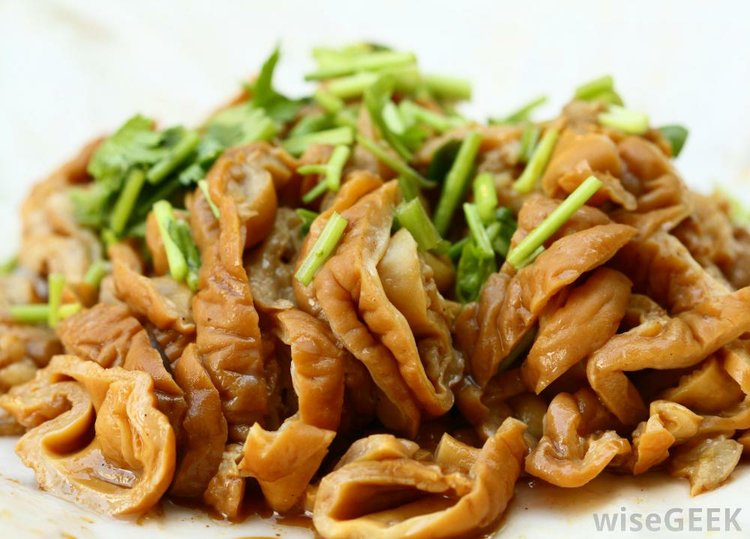
The four essentials Nadine says she could not do without in her kitchen are butter, garlic, fresh vegetables and salt. The perfect meal for her involves shrimp, steak and fresh spinach. She recently admits to starting to enjoy pork however, she does not cook it. She also told me about the preparation of oxtail, which has its own distinct seasoning that imparts to it its signature flavor. The one recipe she would surely want to pass on to her children would be for baked ziti, which is simple “pasta, sauce and lots of cheese.” She also concedes, that even though she has not been in the South for a while, she still has a love for chitlins. She elaborated further at my urging and general interest in soul food. Chitlins or chitterlings are pig intestines, soaked, boiled, and then soaked again, later deep fried with seasonings and scallions and onions. She admits other people might find them gross.
“And chicken is boring. Chefs see it as a menu item for people who don’t know what they want to eat.”
Anthony Bourdain, Kitchen Confidential: Adventures in the Culinary Underbelly

“The system is more of a money thing”
Nadine
Inevitably coming to the topic of food in prison, I began by inquiring about what food is like for the 219,000 women who are currently incarcerated in the United States. Nadine says she had three course meals in prison, hesitating once to confirm. However, she added this information with the fact that the quantity and quality of meals depended on the amount of money your family put into your account. Sometimes, prisoners would get together and cook together, putting together their ingredients and skills to make stir-fries and stews. Nadine also confirmed that prisons are mindful about religious dietary restrictions. Most interestingly, Nadine believes her idea of food did not change during/after prison, as her creativity when it came to experimenting with tactics and ingredients kept her going.
“I used to make stir fries, stew it down. Sometime people reunite and make something together.”
Nadine
However, this made me wonder about prisoners who perhaps come from lower socioeconomic statuses, and cannot afford to buy meals-worth of food from the commissary. This prompted some research into what the general population in prisons is eating. The American Correctional Association recommends but does not mandate that prisons offer three meals a day. Most prisons use private catering or prepare meals in prison itself. According to this article, Aramark, one of the largest prison caterers was accused of lowering food standards and quantities. On a regular day in state prisons, an example of a meal is 2-3 ounces of meat or meat byproduct, half a cup of vegetables, three-quarters of a cup of starch and three quarters of a cup of salad with dressing. Prisoners create private ‘spreads’ with items purchased from the commissary, yet still prisoners do not have access to fresh and healthy nutritious food in systems that are constantly looking to cut taxpayer costs by replacing meat with soy, and fresh food for canned goods.
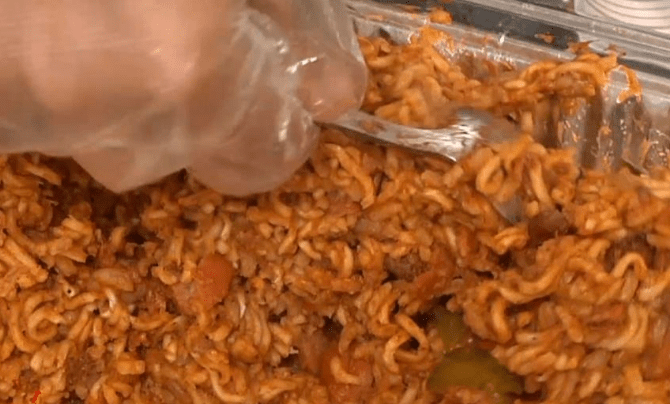
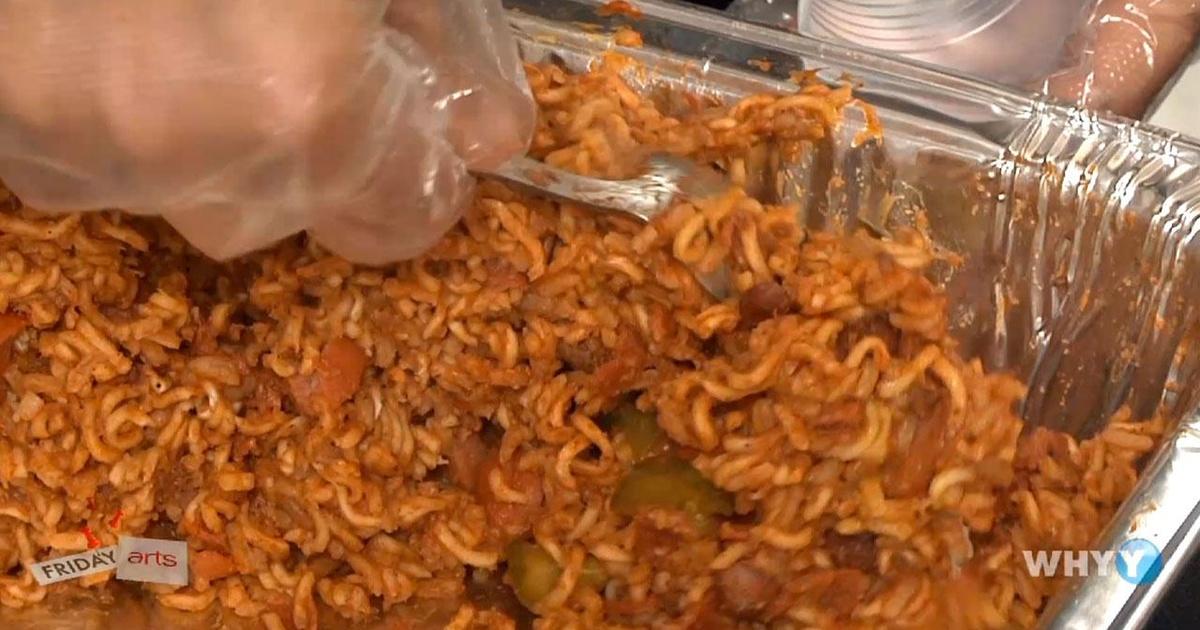
Some examples of spreads I found were Chi Chi , a concoction of a multitude of salty snacks from the commissary, ranging from ramen noodles, cheez doodles, pepperoni, chilly and jalapenos cooked in a plastic bag with hot water, with a sodium content higher than the recommended daily intake. While these commissary meals may fill prisoners stomachs, they are nutritionally inadequate. Several cases against state prisons have been brought to court stating inadequate nourishment and meals which caused prisoners physical harm. Food is also used as a tool of control in prisons, in a way that almost seems inhumane. In many prisons, prisoners who misbehave are subjected to the Nutraloaf, a bland meatloaf made with mechanically separated meat, vegetables and breadcrumbs. The U.S Supreme court mandates that denying food is cruel and unusual punishment, but Nutraloaf is seen as a dietary adjustment instead of denial, and prison staff insists it reduces violence inside prisons.
As Micheal Twitty said, racism, power and justice are linked. Illustrating this story aptly but horribly is the tragic story of Jerome Murdough, a homeless veteran who died from heat exposure in his cell in Rikers while on prescription drugs that cause overheating , after being arrested for trespassing in a New York Housing Authority building, as his bail was set to $2500. Stories such as these come horribly intrinsically linked in economic, judicial and social structures, and in such a situation the prison-bail system seems like state sanctioned extortion, where vulnerable and poor populations are targeted for incarceration and mistreatment, and are locked up for longer because they cannot make bail.

“I stick to fresh foods…………I like the combination of fish and vegetables”
Nadine
To promote healthy eating after the poor taste and nutritional standards in prison, Hour Children runs a food pantry. Nadine says she finds the fresh produce at the pantry instrumental to her cooking and diet. I had the opportunity to catch Nina Strazulla, the director of the food pantry for a quick five-minute rundown.The food pantry instead of giving out food rations in baskets or boxes, offers clients a client-choice supermarket style pantry, where people have the ability to choose foods with dignity. Foods are carefully selected and foods with high sodium and sugar are not generally stocked. The pantry is a hub of community agriculture where surplus produce from local farms is given to the community, especially farm fresh fruits and vegetables from upstate New York. They also conduct community outreach through healthy cooking demos, floating hospitals and a partnership with Duane Reade for free flu shots.
“To me food is with love. And I think food should be seasoned”
Nadine
Nadine’s other culinary interests are breakfast at night and Indian food. She believes pizza is the most NYC of New York City street foods and believes that the best slice is actually on Jamaica Avenue, in the underground mall. To Nadine, food also means love, and that you can taste love in fresh, seasoned food. Home cooked food is the way to go, though however, Nadine only makes exceptions for fine dining and not for fast food.
Through this interview, I hoped to have provided a voice to a community that is largely disenfranchised and discriminated against in society. People who have been incarcerated for non-violent offences still have to face the stigma that comes with having a record, especially in places of employment, and it is just recently that New York state made it illegal to discriminate against individuals with a record in places of employment. Nadine’s ability to cook food from various cuisines and her aspirations for her children to lead healthier lives is no different from any other mothers.

 | queens foodways |